



Before crypto wallets and slick apps, there was just a guy with a notebook and a pocket full of cash. The bookie. He didn’t need licenses or logos — just odds, guts, and a loyal client or two.
Now? Algorithms do the math, payouts land in crypto, and the entire game’s gone digital. But the core idea hasn’t changed: someone still takes your bet and tries to profit from it.
Who can you trust? To answer this question, we’ll get back into history a little and see how different bookmakers work today.
When bookies wore fedoras, not headsets
Before sports betting went digital, it was all cigars, whispered odds, and backroom deals. Bookies were real people in long coats hanging around race tracks or smoky bars. Most of them got their start with two sports: horse racing and boxing. Why those two? They were easy to follow, had regular events, and everyone from working-class folks to high-rollers had a stake in the outcome.
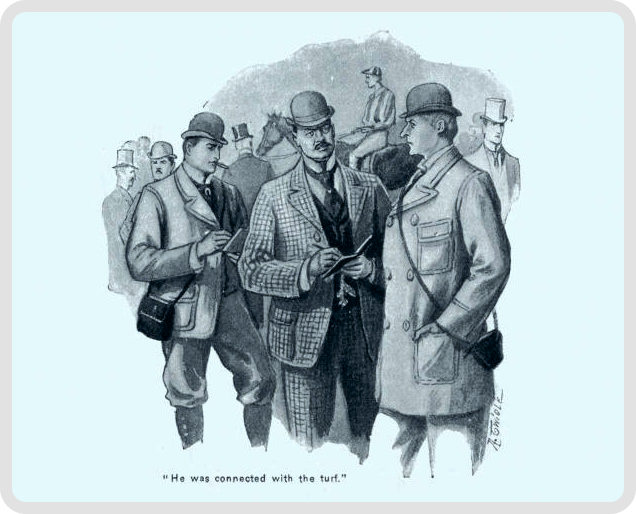
In 19th-century England, horse racing was practically the national pastime, and bookmaking became a natural side gig. People started tracking bets with literal books — ledger-style — hence the term bookmaker.
These early bookies weren’t banned, but the UK Betting Act of 1853 made it illegal to operate betting houses or public places for betting, especially off-track. So while betting itself wasn’t outlawed, the law pushed most of it into the shadows. Bookies could still take bets, just not in fixed locations like shops or offices. That’s why you had runners, street bookies, and people taking bets from pubs or phone lines instead of storefronts.
In the U.S., it played out differently. By the 1920s, thanks to Prohibition (The Eighteenth Amendment), gambling, together with booze, got swept into the underground. Mobsters saw a golden opportunity. Illegal bookmaking thrived, especially in cities like New York and Chicago. Betting on baseball, boxing, and football became a full-blown underground business. And where there was money, there were problems: raids, arrests, and occasionally, dead bodies.
A few notorious names worth knowing:
- Meyer Lansky – Helped turn illegal bookmaking into an organized, lucrative racket. He ran betting operations tied to the mob for decades.
- Frank Costello – A political fixer and mob boss who once testified in front of Congress about illegal betting, without saying much, of course.
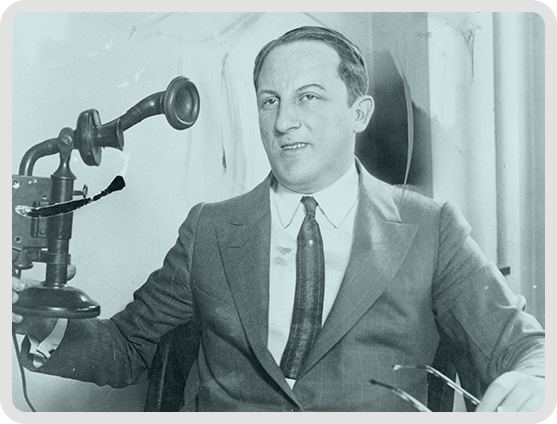
- Arnold Rothstein – Allegedly fixed the 1919 World Series. Also ran betting operations that made modern oddsmakers look tame.
Meanwhile, in the UK, the Betting and Gaming Act 1960 legalized off-course betting shops, meaning bookies could finally operate licensed, physical locations where people could walk in and place a bet legally. That’s when household names like William Hill and Ladbrokes opened shopfronts, cleaned up their image, and went mainstream.
As for the odds themselves? Early bookies came up with their own pricing systems. Instead of fair bets, they added a margin to make sure they always won in the long run. That’s where the idea of “the book” comes in — a balanced set of odds where no matter who wins, the bookmaker profits.
By the time the internet rolled around, bookmaking had already gone global in practice, even if it was still illegal in parts of the U.S.
Today? Bookies wear headsets, not fedoras, but the game underneath hasn’t changed all that much.
What a bookie actually does (and what they don’t)
A lot of people imagine bookies as shady guys in back alleys whispering odds, but today’s bookmakers are more likely to be data analysts than cigar chompers. Here’s what a bookie really does.
Setting odds
Bookies don’t just toss out random numbers. Setting odds involves analyzing a ton of data — team stats, player injuries, past performance, and even weather conditions. The goal is to estimate the true probability of an outcome and then tweak it slightly to turn a profit.
Let’s say there’s a football game where both teams have a 50/50 shot. In a fair world, both sides would be offered +100 (or 2.0 in decimal). But a bookie might offer -110 on each side instead. Why?
The “Juice” (a.k.a. Vig)
That built-in margin is called the juice or vig. It’s how bookies get paid. So if two bettors each put down $110 — one on each side — the winner gets $210, but the bookie keeps $10 no matter who wins. That’s the business model.
To keep profits coming in, bookies need balanced action. If too much money comes in on one side, they adjust the odds to make the other side more appealing. That’s called shaping the line, and it’s a core part of managing risk.
So, “bookies want you to lose” is just a myth.
Bookies aren’t cheering against you — they’re cheering for even betting on both sides. That way, they can lock in profit from the juice without sweating the outcome. The worst-case scenario for a bookie is everyone winning the same bet, which leaves the book with a massive payout and no cover. A few famous examples can show you how it works.
Legendary wins, shady deals, and betting scandals
Even the sharpest bookmakers get blindsided now and then. No amount of line movement can fully protect them from wild underdog wins or players rigging the game from the inside. And sometimes, bookies aren’t all fair and honest if they have a chance to make good money.
Here are some moments that hit the betting world like a punch to the gut and a few that left it scrambling for damage control.
An unexpected win of underdogs
In 2016, Leicester City shocked the Premier League by winning the title after opening the season at 5000-to-1 odds. UK bookmakers took a beating and had to pay £25 million to bettors who had the guts (or loyalty) to back the Foxes early, with the biggest winnings reported to be a whopping £100,000. Before the final, William Hill offered to pay 66 percent of what bettors would win, and some of them agreed to cash out at least part of their bets. So, the bookmaker saved part of its money.
Scandals and fixes
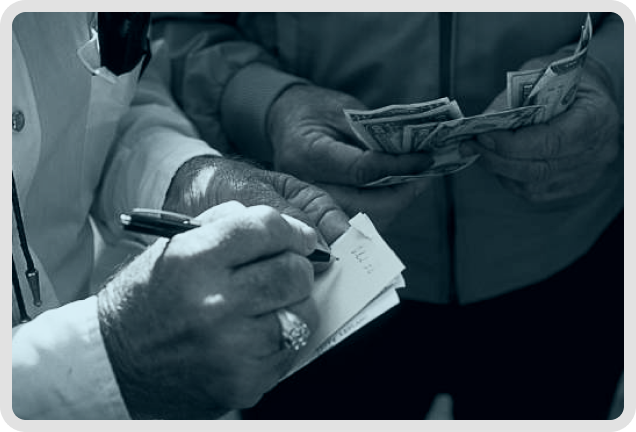
The history of sports betting has its fair share of dirty laundry. A few lowlights:
- 1919 Black Sox scandal: Eight Chicago White Sox players were accused of throwing the World Series for cash from gamblers. It’s still one of the biggest sports betting scandals in history.
- 2007 NBA Referee Scandal: Tim Donaghy, an NBA ref, admitted to betting on games he officiated and using inside info to help his picks. The fallout damaged trust in officiating for years.
- 2013 European football match-fixing: Europol uncovered 680 suspicious matches, including UEFA qualifiers. The investigation traced most of the manipulation to an Asia-based crime syndicate that paid up to €100,000 per fixed match, often in cash. After the scandal, UEFA and national leagues began using tools like Sportradar to monitor betting patterns and catch suspicious activity faster.
Scandals like these shake confidence in the whole system. That’s why today’s sportsbooks invest heavily in data monitoring, flagging suspicious betting patterns before things spiral.
Bookies on the brink (or outright busted)
Bookies don’t always walk away winners. Centrebet, an Aussie bookmaker, took a huge hit back in 2001 after accidentally posting odds of 100-1 on a horse that should’ve been closer to even money. Bettors jumped on it fast, and the horse won, costing Centrebet over $1.2 million in a single afternoon.
Then there was World Sports Exchange, one of the early U.S.-facing online sportsbooks. Years of legal pressure, unpaid customer withdrawals, and mounting debt led to its shutdown in 2013.
More recently, in 2022, BetBull shut down with just a few weeks’ notice. No scandal — just a case of a smaller bookie getting squeezed out. Despite having Wynn Resorts as a backer, they couldn’t compete with the industry giants. Users scrambled to withdraw funds as the app quietly disappeared.
Some of these stories are cautionary tales. Others are legends. Either way, they show just how high the stakes can get when betting meets real life.
After all the wins, losses, and scandals, it’s worth asking—who’s actually taking your bet these days?
Bookie vs. sportsbook vs. crypto platform: What’s the difference?
The old-school bookie was usually a guy with a notepad and a landline, often operating in a legal gray zone (or well past it). Today, most bettors go through licensed sportsbooks. These platforms are regulated, taxed, and have to follow strict rules.
Then there are crypto betting platforms like Sportbet.one, which run on blockchain and often skip identity checks. They’re popular with privacy-minded bettors who want to avoid KYC, and transactions are fast, borderless, and transparent.
Here is how the three types of bookmakers differ:
| Feature | Traditional bookie | Licensed sportsbook | Crypto betting platform |
| Legal status | Often unregulated/illegal | Fully regulated | Varies (some in gray areas) |
| KYC required | No | Yes | Varies |
| Privacy | High (but risky) | Low | High |
| Payment methods | Cash | Bank cards, e-wallets | Crypto |
| Fees | Average to high | High: at least %2-5 + additional fees from credit cards | Low: from a fraction of a cent to a few dollars (depends on crypto) |
| Speed of payouts | Depends | 1–5 business days | Near-instant |
| Risk of getting put off | High if you win too much | Possible, depending on volume | Rare (most don’t limit sharp bettors) |
| Odds setting | Manual, often biased | Algorithm-driven, market-based | Algorithm-driven, market-based |
For privacy-focused bettors, crypto platforms are a game-changer. There’s usually no need to hand over personal info, deposits and payouts happen fast, and many platforms accept users globally with few restrictions. Sure, the legal gray area is real, but for some, that trade-off is worth the freedom and anonymity.
Go with the bookmaker that works for you
From shady backrooms to slick mobile apps and blockchain-powered platforms, the world of bookmaking has come a long way. But the basics haven’t changed: someone’s setting odds, managing risk, and hoping you don’t know something they don’t.
The role of the bookie might look different today — less fedora, more fintech — but their job is still the same at its core. And as betting continues to evolve, especially with tech and regulation constantly shifting, it pays to know who’s really taking your bet and what the risks (and rewards) look like.
So next time you’re eyeing a long shot or dropping a bet, make sure you’re doing it with a bookmaker that keeps things smooth, fair, and stress-free. Crypto platforms are a good pick if you’re after fast payouts, minimal fees, and full transparency. Just double-check the platform’s track record. Or skip the researching and bet with Sportbet.one, where your money’s safe and every bet is fair.

